
Celebrating the Career of Steve Hamilton
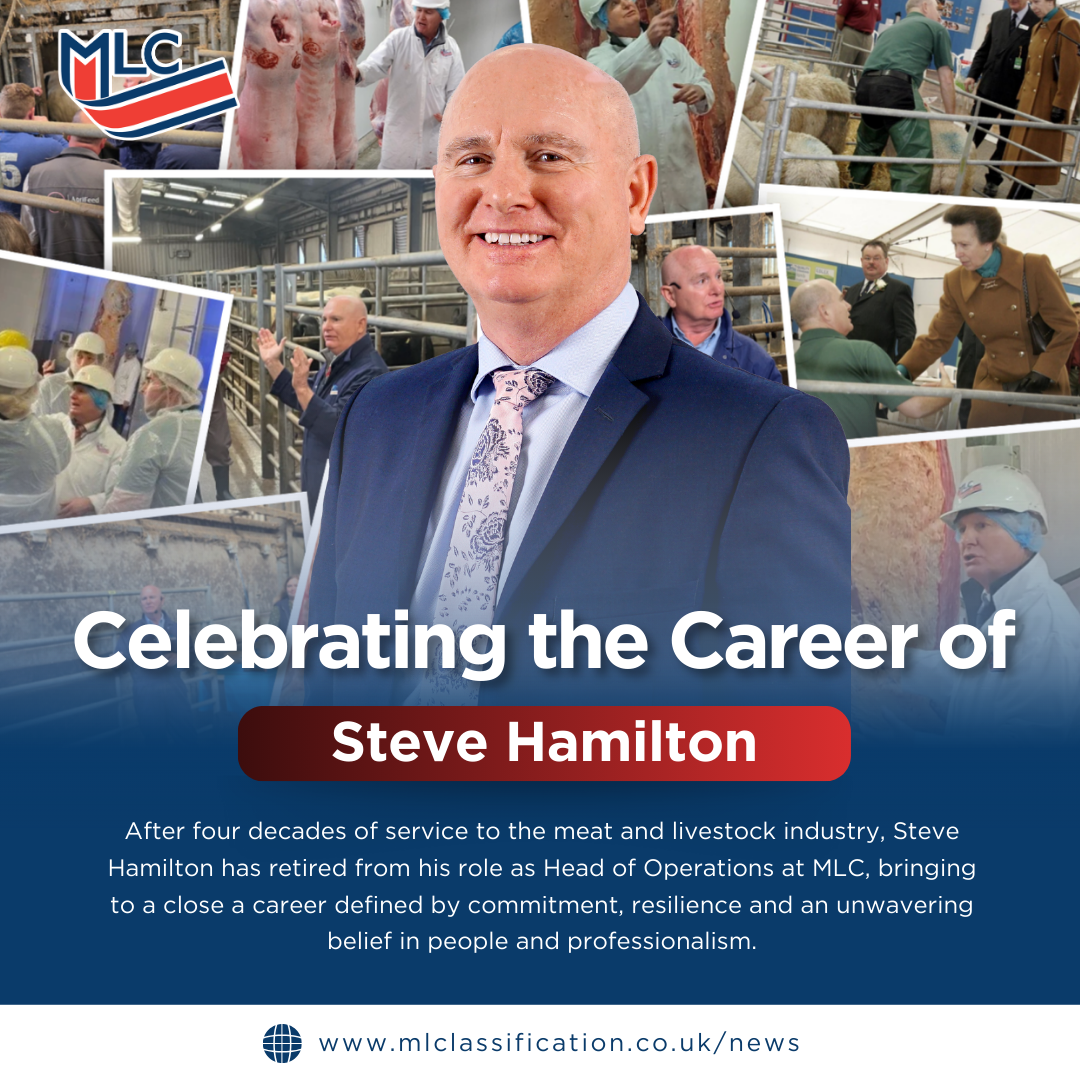
After four decades of service to the meat and livestock industry, Steve Hamilton has retired from his role as Head of Operations at MLC, bringing to a close a career defined by commitment, resilience and an unwavering belief in people and professionalism.
Steve’s journey began in 1976 when he left school and started work at Somerwest Bacon and Pork Processors. It was here that he learned the foundations of the industry – mastering butchery, boning techniques and slaughter skills. These early years laid the groundwork for a lifelong career in meat and livestock classification.
Following a brief spell running a milk round in 1983, Steve returned to Somerwest as a charge hand in the slaughter hall. Working alongside MLC Fatstock Officers sparked his ambition to progress further and although his first application was unsuccessful, his determination paid off. In 1985, Steve joined MLC as a Fatstock Officer Grade 3, accepting a post at Bowyers abattoir in Trowbridge and commuting daily from Taunton to gain the experience required.
MLC at that time offered a clear and demanding career structure. Officers progressed through pigs, beef and sheep classification, gaining liveweight skills and often relocating to advance.
Steve’s early years were not without challenge. Following industrial action in 1986, he found himself facing redundancy and relocation more than once. However, each move became an opportunity. At Hillsdown Holding in Westerleigh and later Lloyd Maunder in Cullompton, Steve developed his beef and sheep classification expertise in busy, multi-species plants.
His technical progression culminated in rigorous testing, passing both his sheep and beef classification tests, Steve earned his unique classification stamp.
Over the years, Steve was involved in a wide range of schemes including beef, sheep and pig classification, intervention selection and boning, sheep variable premium, beef premium, special export refunds, clawback schemes and private aid for pig meat. As subsidy schemes gradually came to an end in the late 1980s and early 1990s, MLC adapted, moving away from abattoir-based certification towards commercial contracts and new ways of working.
Steve was closely involved during this period of change, including the introduction of the “black box” computer system that replaced traditional bookwork, and later the immense challenges posed by the BSE crisis in 1996. This required rapid recruitment, training and redeployment of staff across abattoirs, incineration plants and rendering facilities, all while ensuring compliance on behalf of the Intervention Board.
In 1997, Steve took a pivotal step in his career, becoming Business Development Assistant and moving to Brackley and MLC HQ at Winterhill. This role broadened his experience and prepared him for leadership. In 2000, he achieved a long-held ambition, becoming Divisional Manager for the South West, based in Exeter.
Managing colleagues he had once worked alongside was a challenge Steve embraced, earning respect through fairness, honesty and hard work. Despite initially lacking liveweight skills, he sought support, learned quickly and became fully proficient – a reminder of his belief that commitment and attitude matter as much as experience.
Barely a year into the role, the Foot and Mouth Disease outbreak of 2001 presented another major crisis. Steve led the Southwest response, employing and training 125 additional staff to operate cleansing and disinfecting sites, working closely with producers and site owners under intense pressure.
Throughout his management career, Steve remained clear about his values. He believed strongly in respect, communication, fairness and earning trust and he encouraged others to set goals, develop new skills and take responsibility for their own progression.
Following the end of BSE in 2006, organisational change continued, including MLC’s move to AHDB at Stoneleigh and, later, its sale to Vorenta Group in 2018. Despite uncertainty, Steve helped guide teams through transition, staying on during the COVID period to support and train new management.
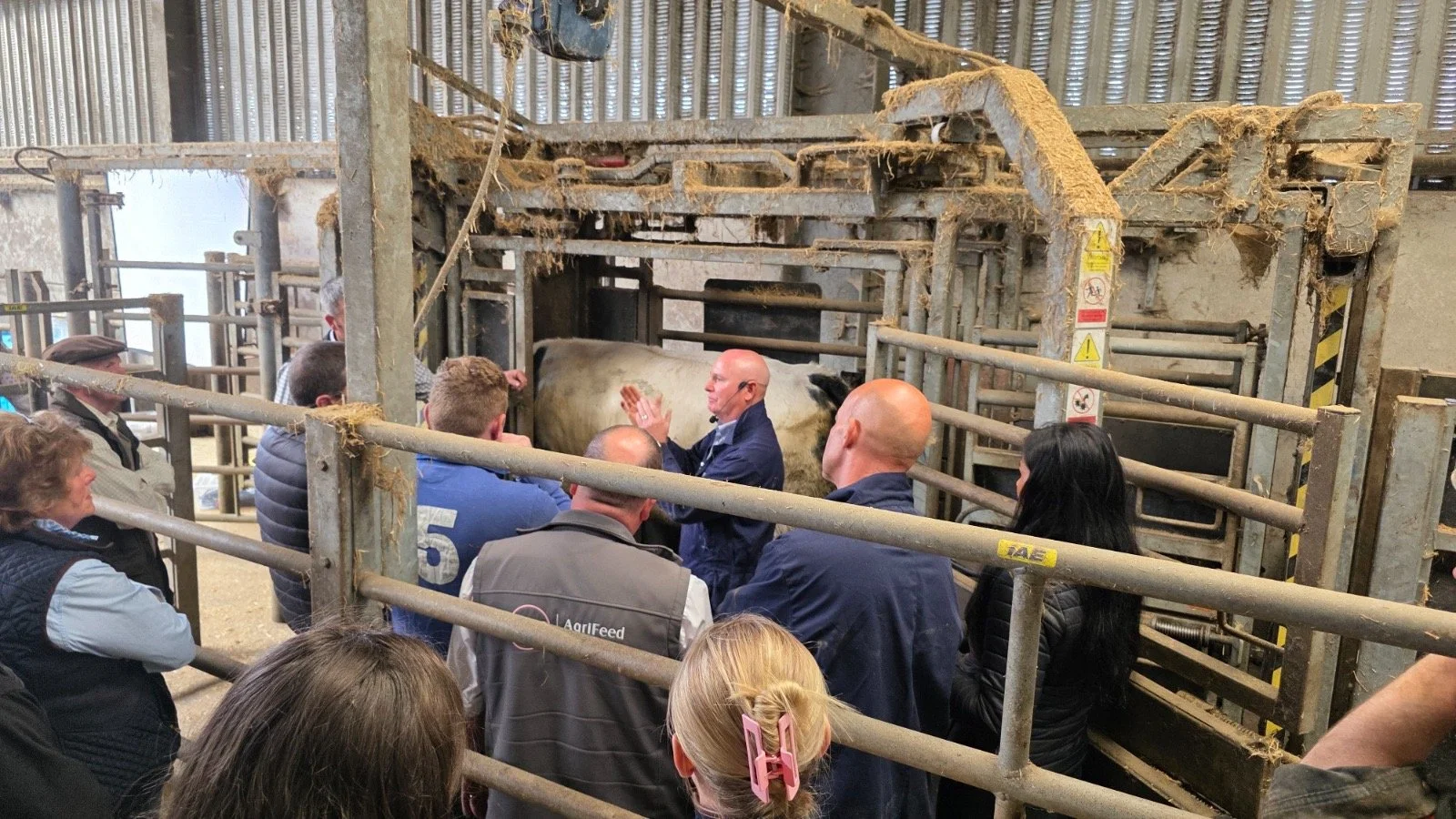
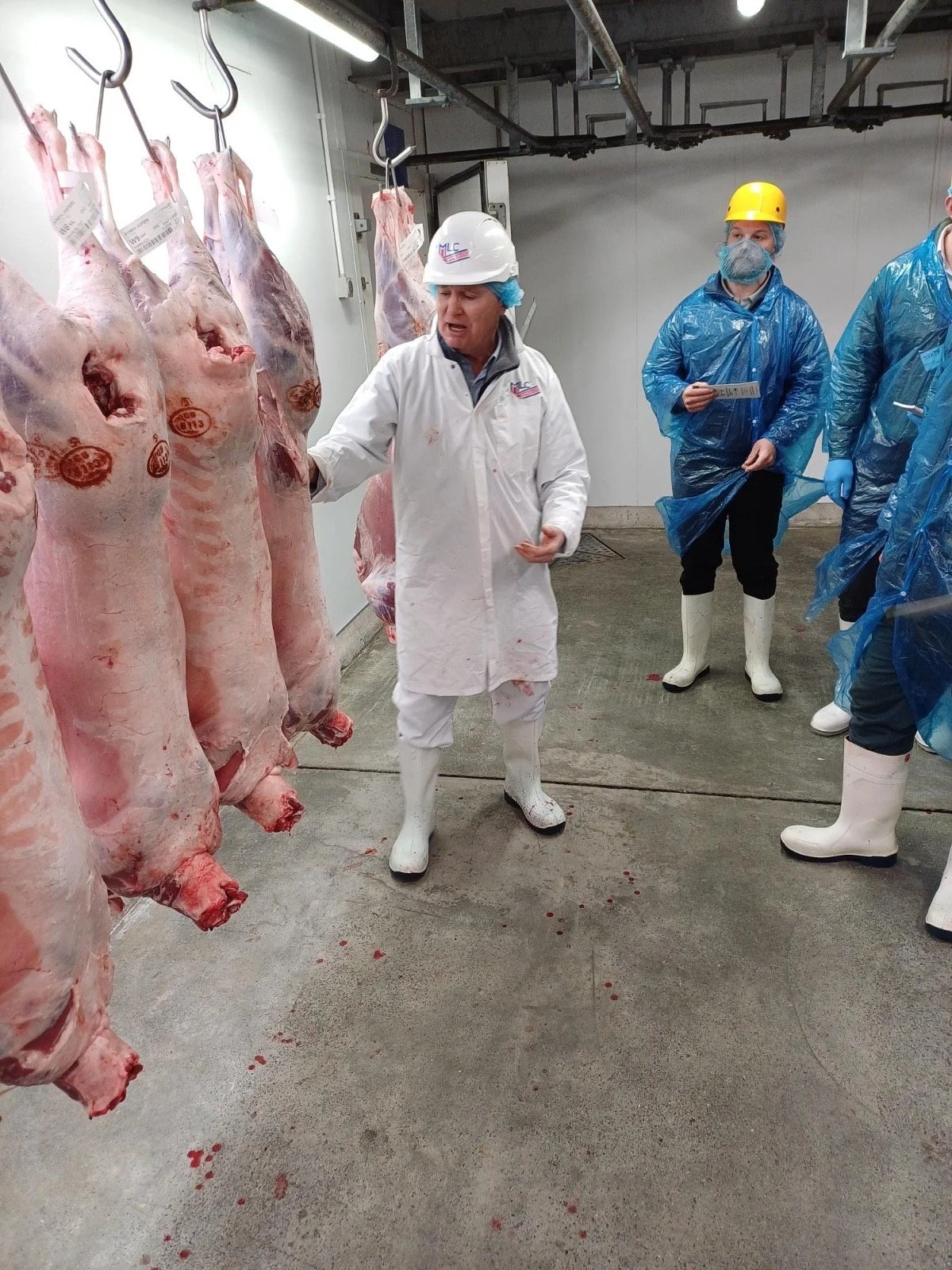
In a fitting conclusion to his career, Steve accepted the role of Head of Operations – a role that took him from Fatstock Officer Grade 3 to the most senior operational position in the organisation.
Reflecting on his career, Steve describes his greatest highlights as becoming Divisional Manager and Head of Operations and even meeting HRH Princess Anne at the Bath and West Show – where a discussion on sheep handling led to Her Royal Highness examining a loin first-hand.
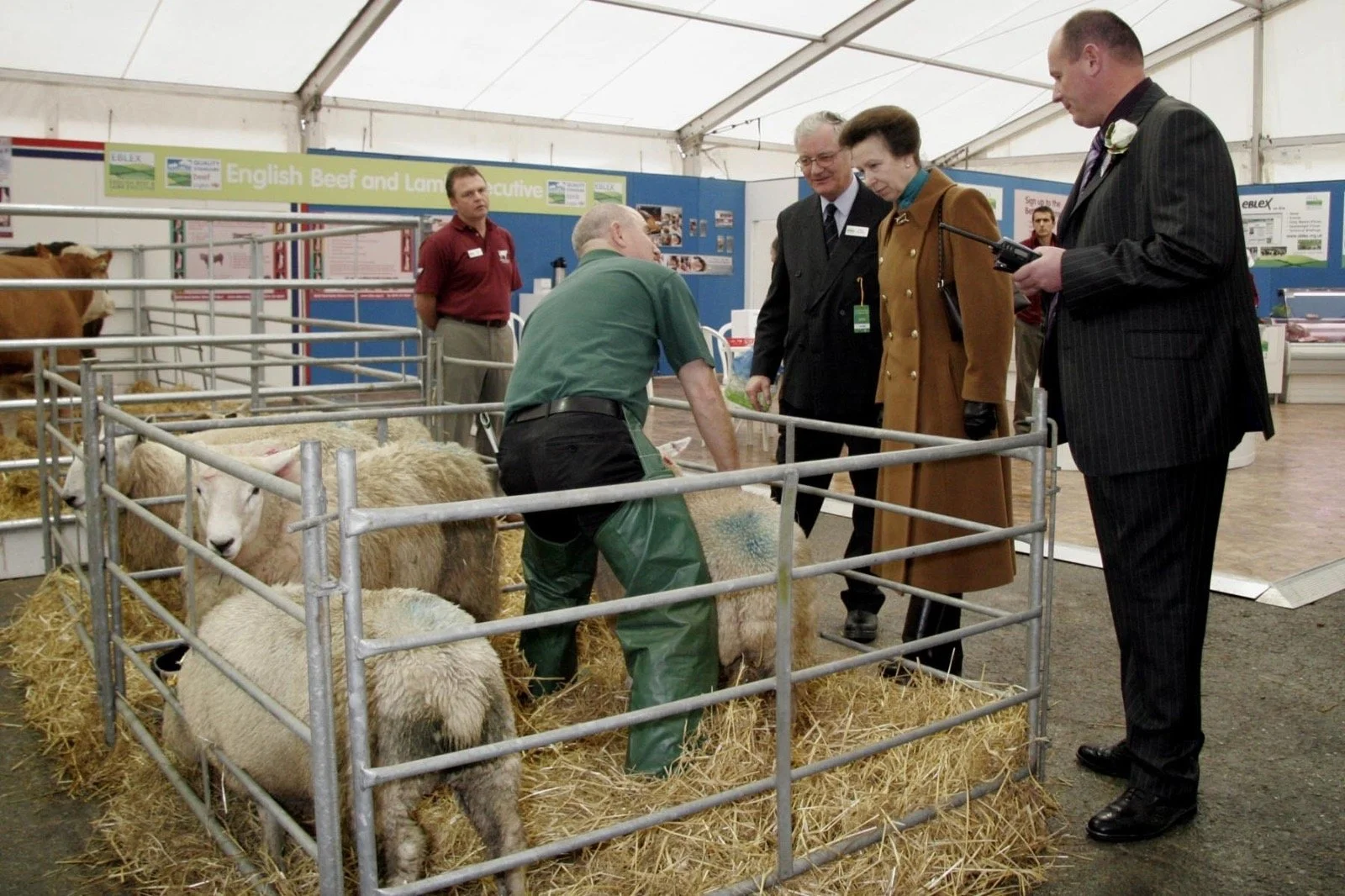
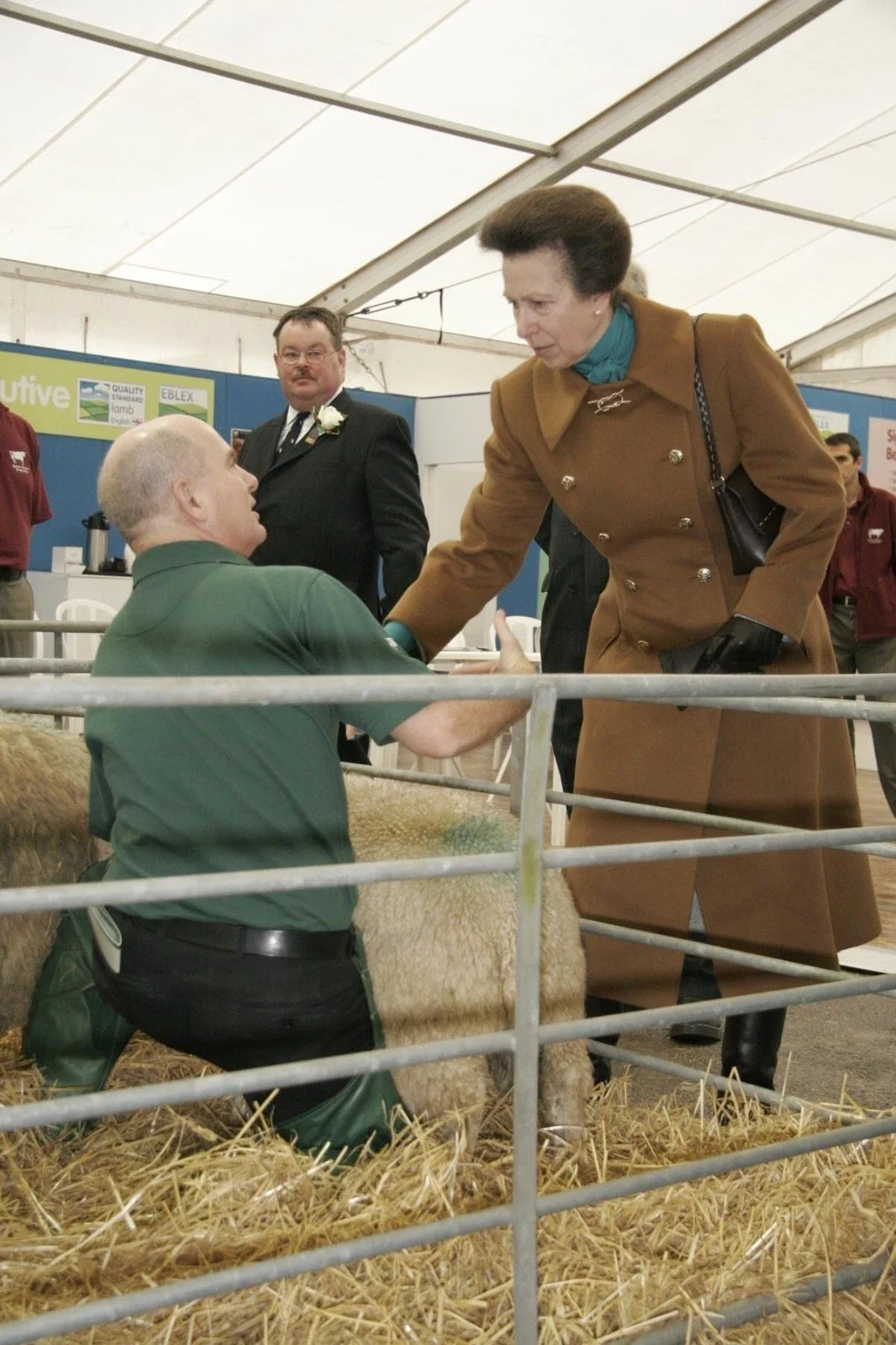
Steve retires with pride in the work MLC does every day, often unseen, making independent decisions worth hundreds of thousands of pounds and underpinning trust across the industry. As he steps away, he looks forward to more golf, long coastal walks and time to “smell the flowers”.
On behalf of everyone at MLC, we thank Steve for his outstanding contribution, leadership and friendship, and wish him every happiness in his retirement.