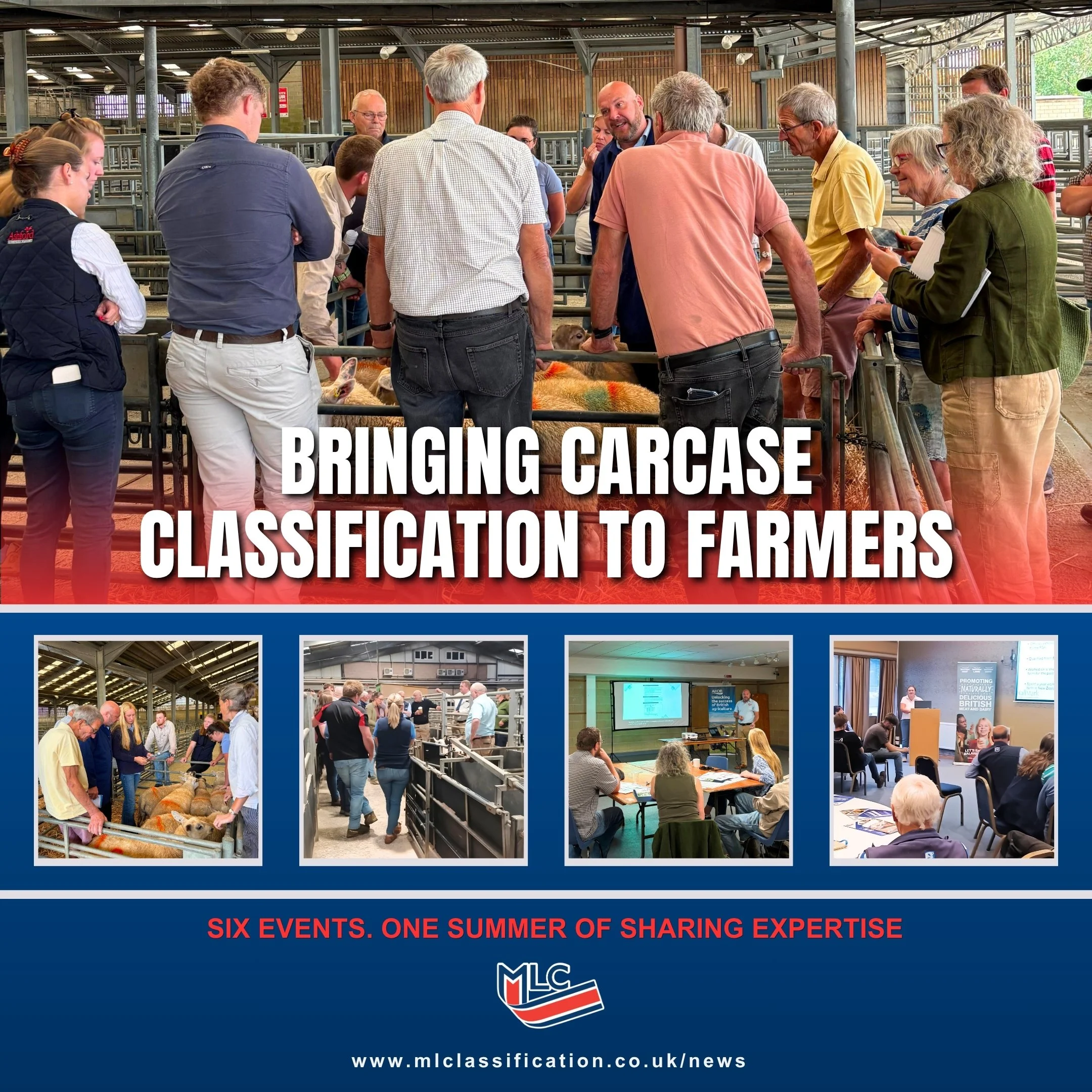

MLC Supports AHDB “Right Start, Right Carcase, Right Market” Event in Carlisle
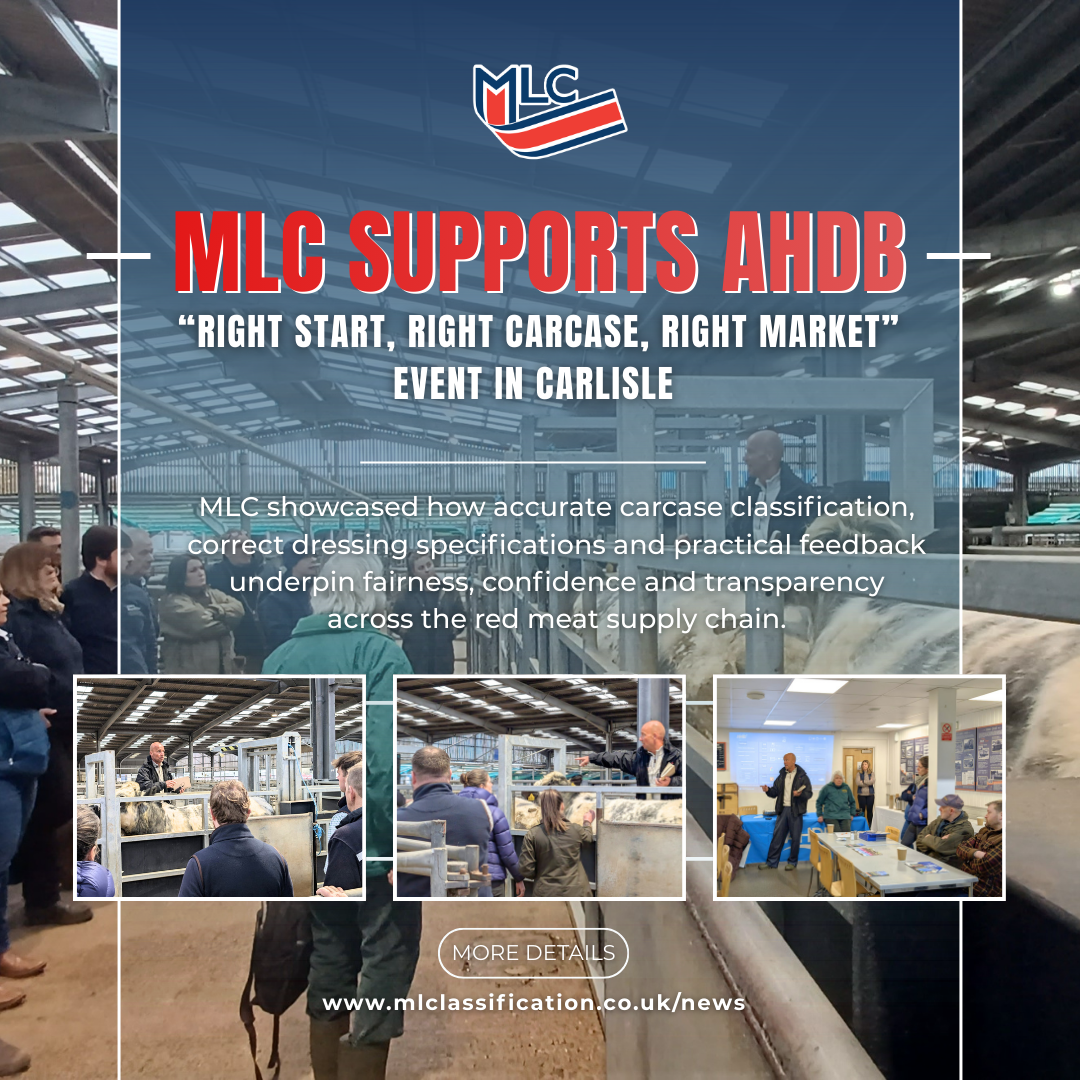
Steve Peaty, Head of Operations at MLC, recently attended the Right Start, Right Carcase, Right Market event in Carlisle, organised by AHDB, supported by Sam Taylor, MLC Deputy Operations Manager. The event attracted a broad mix of producers, processors, and industry representatives, providing an excellent opportunity to engage directly with people from across the red meat supply chain.
The day allowed MLC to highlight the practical, hands-on role it plays within abattoirs and to demonstrate how accurate classification, dressing specification compliance and feedback underpin confidence, transparency and fairness in the marketplace.
Understanding the role of MLC in abattoirs
Steve opened the session with a detailed overview of MLC’s responsibilities within abattoirs. This included carcase classification and assessment, monitoring compliance with dressing specifications and providing clear and consistent feedback to both processors and producers. Emphasis was placed on how these day-to-day duties support accuracy, consistency and trust throughout the supply chain.
A key message throughout the session was the importance of correct dressing specifications, and the direct impact they have on carcase weight and payment accuracy. Steve explained how adherence to agreed dressing standards ensures that carcases are presented consistently, allowing weights to accurately reflect true carcase value. Variations in dressing or over trimming of carcases can significantly influence final weight, which in turn affects producer payments. MLC oversight ensures specifications adhered to, critical to maintaining fairness, transparency, and confidence in pricing, while protecting both producers and processors.
Classroom-based classification insight
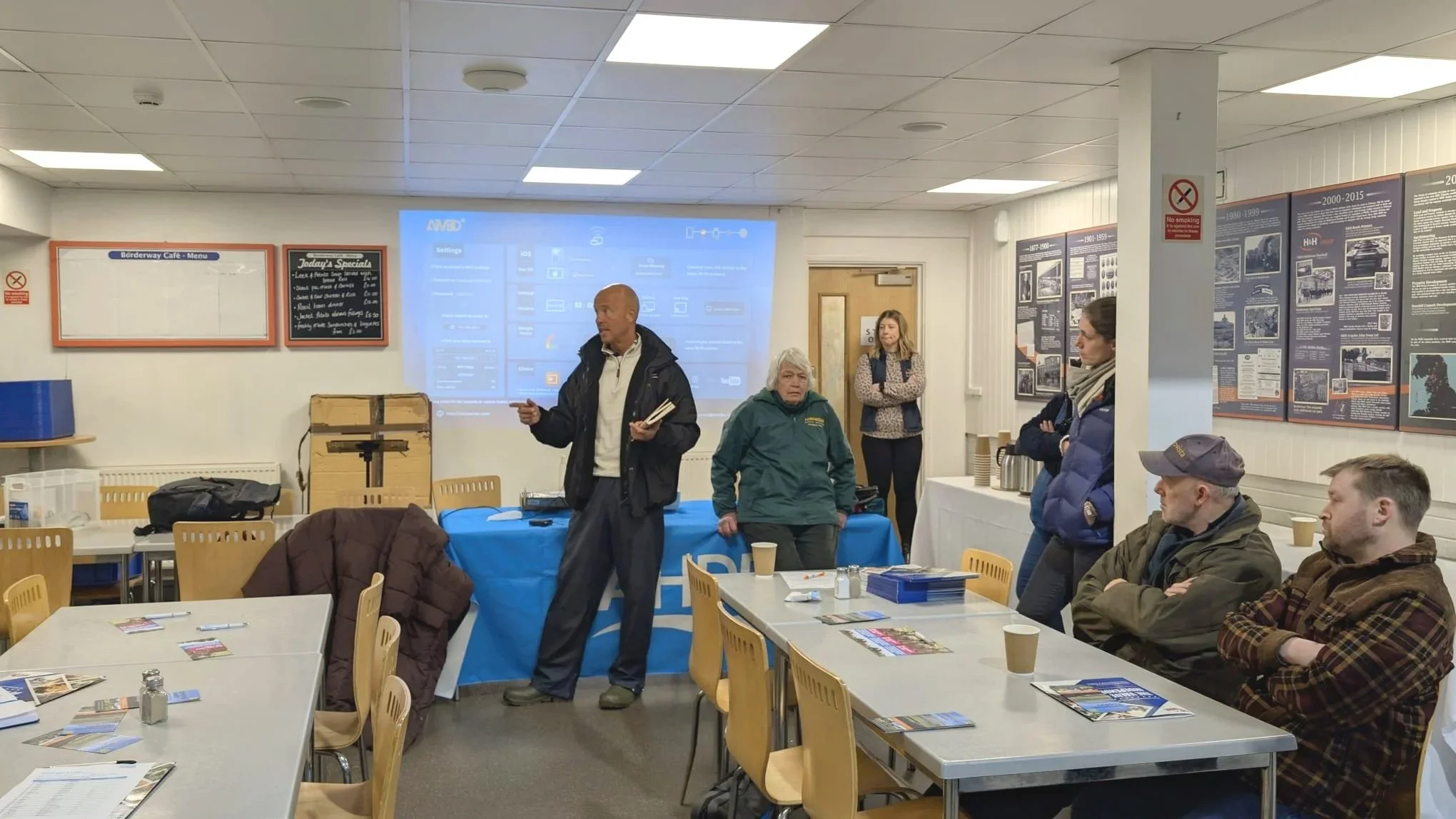
The classroom-based element of the presentation provided a structured introduction to carcase classification and conformation. Attendees were guided through the key handling points used to assess both conformation and fat class, alongside an explanation of how consistent classification standards support market confidence and enable fair comparisons across carcases.

Practical, hands-on demonstrations
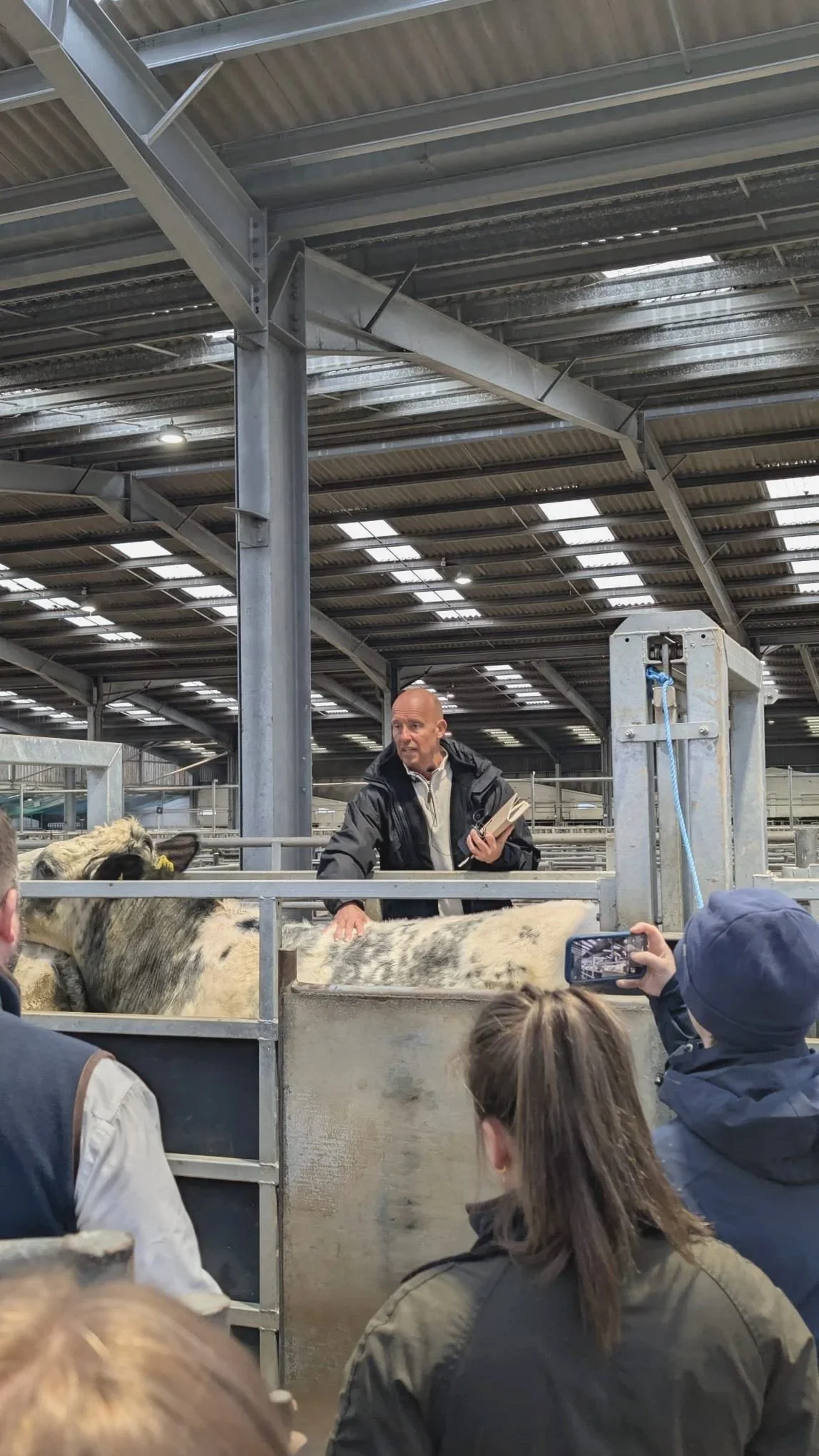
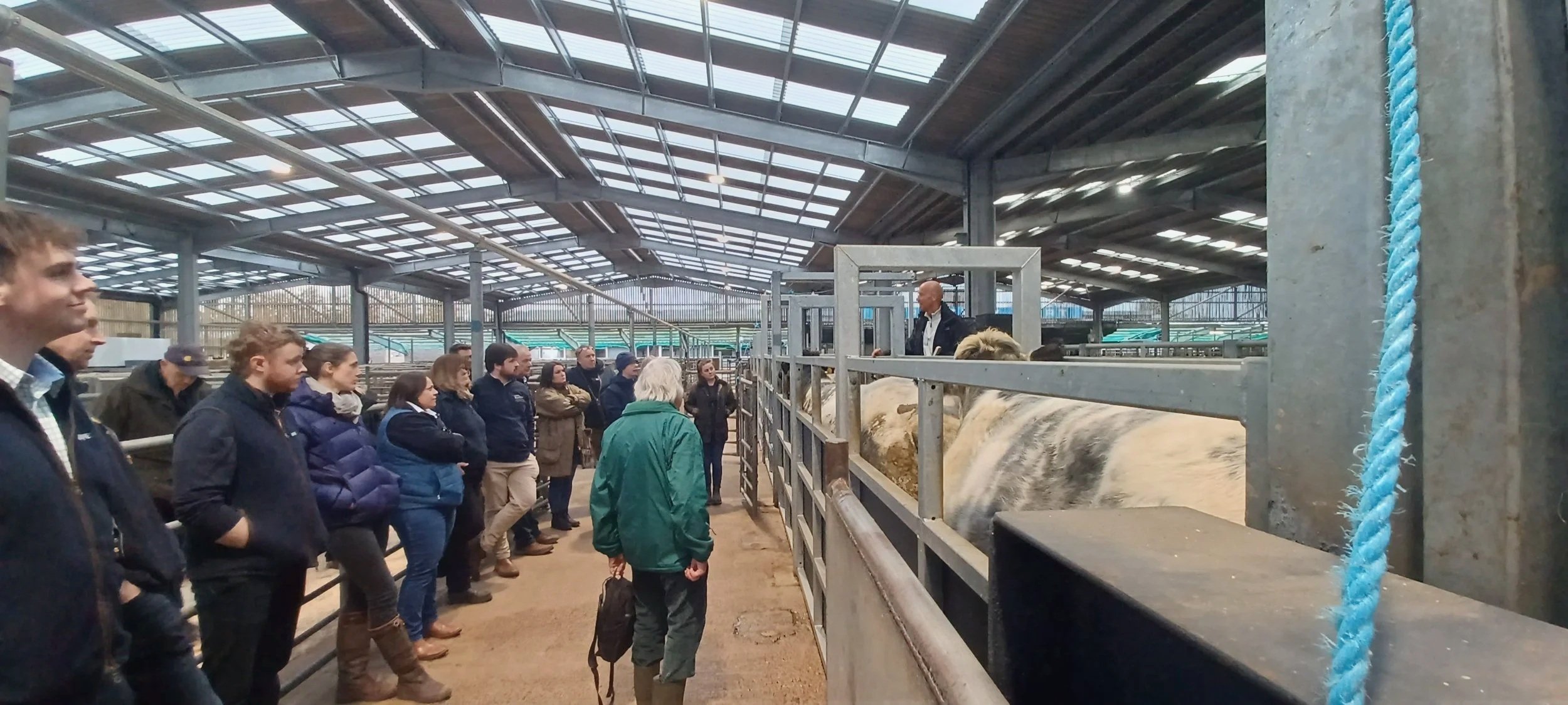
The practical demonstration used four British Blue cattle to illustrate real differences in classification and conformation. Audience participation was encouraged, with attendees identifying handling points for fat and conformation themselves. Real-time comparisons helped demonstrate how relatively small physical differences can influence final grading outcomes, reinforcing the importance of accuracy and consistency in assessment.
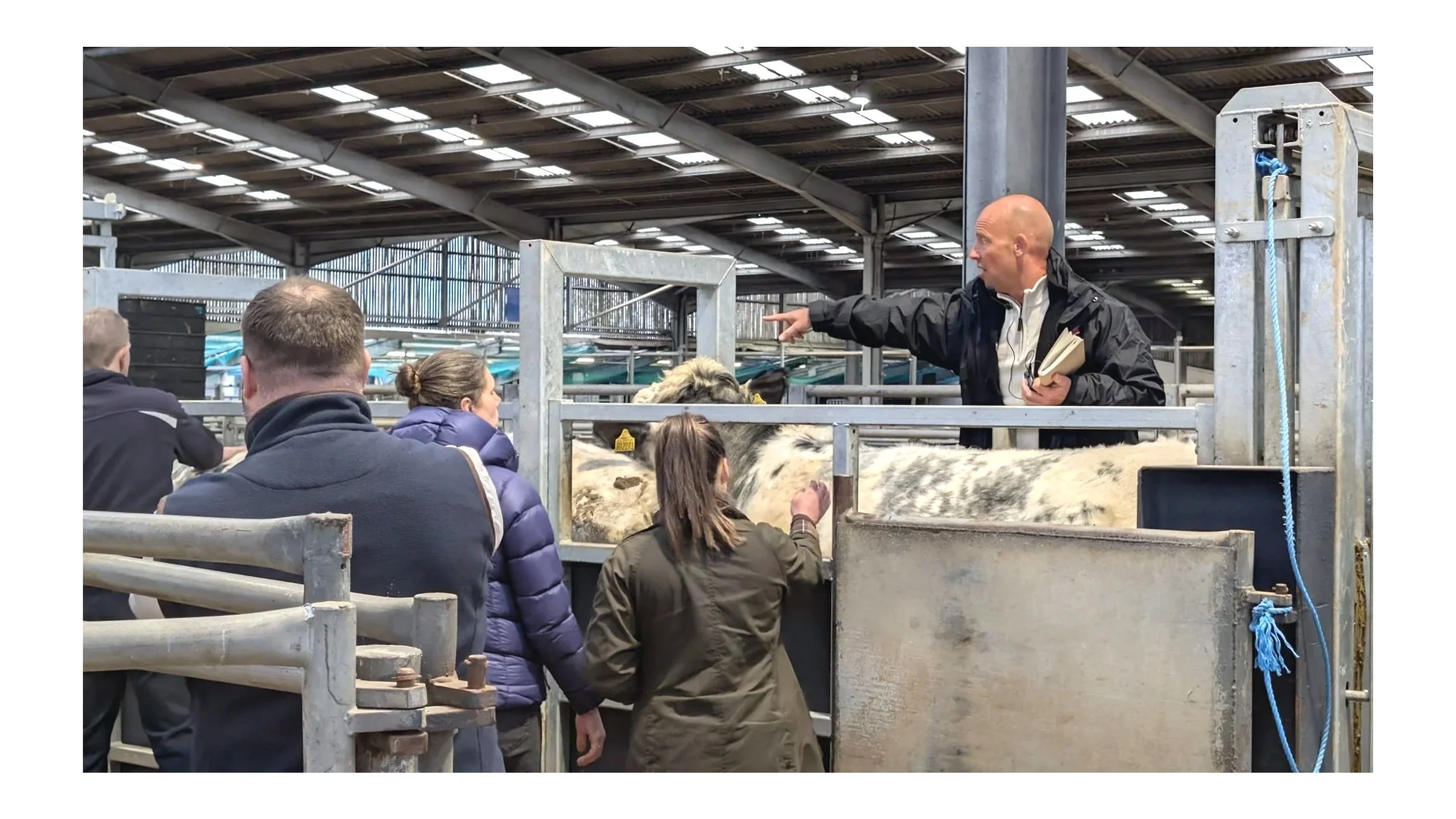
Market requirements and specifications
AHDB representatives also covered market requirements, including target specifications for supermarkets and other outlets. Discussion focused on weight ranges, specification requirements and how these factors influence producer decision-making. Selecting stock suited to the correct market was highlighted as a key way to improve returns and reduce the risk of penalties.
Carcase knowledge, utilisation, and feedback
The session included an overview of primary carcase cuts, their relative values, and how they contribute to overall carcase worth. AHDB shared insight into carcase utilisation and how different markets maximise value from each section. Feedback from abattoirs on health, infection, and disease trends demonstrated how this information can support improved herd health, welfare, and on-farm decision-making.
Strong engagement and positive feedback
The session was very well received, with strong engagement and positive discussion throughout the day. The combination of classroom learning, practical demonstration and interactive participation helped reinforce key messages around classification, dressing specifications, market requirements, and the importance of producing stock that meets specification.
Events such as this demonstrate MLC’s ongoing commitment to supporting the industry through education, consistency, and collaboration across the supply chain.